My Design Approach
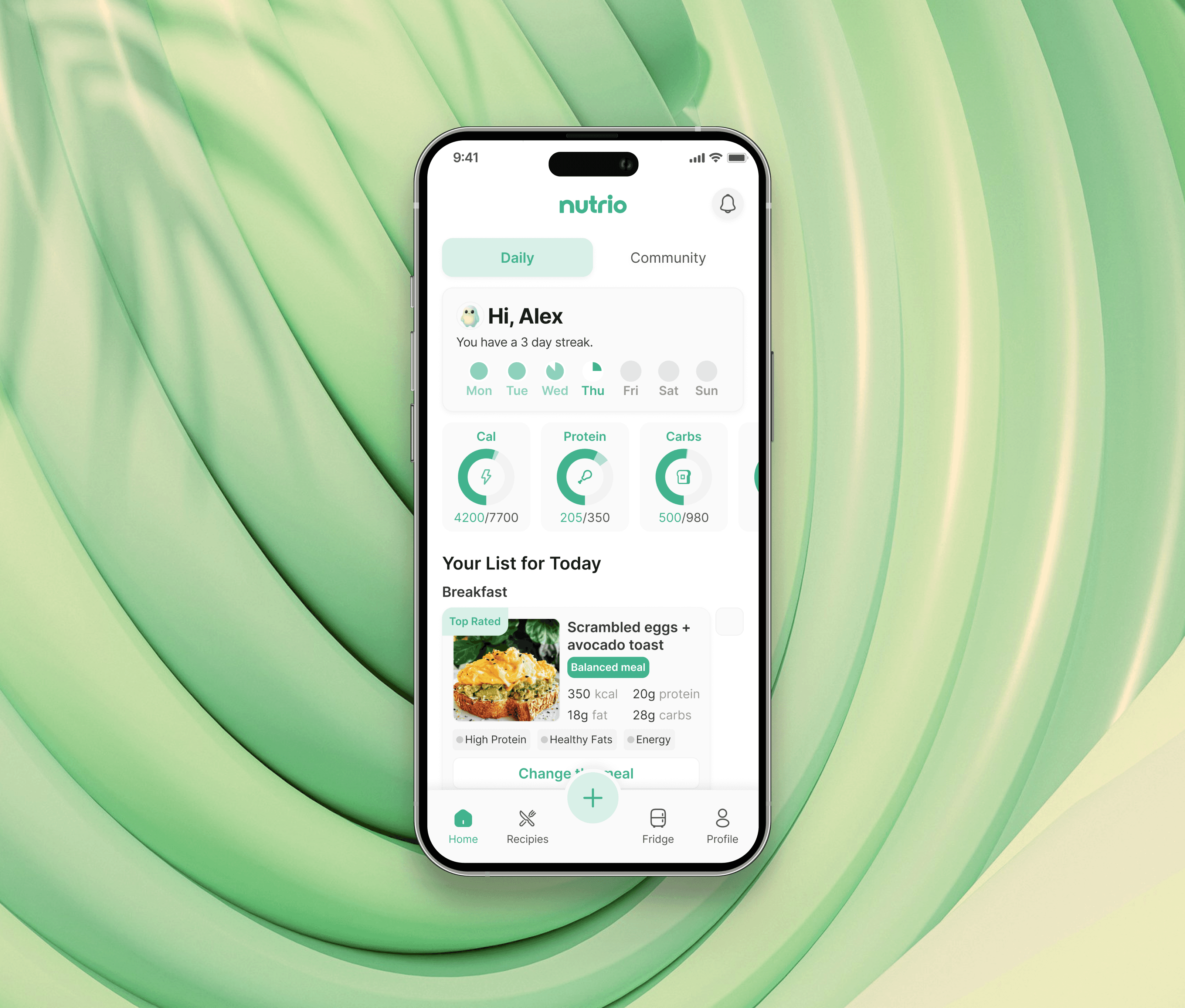
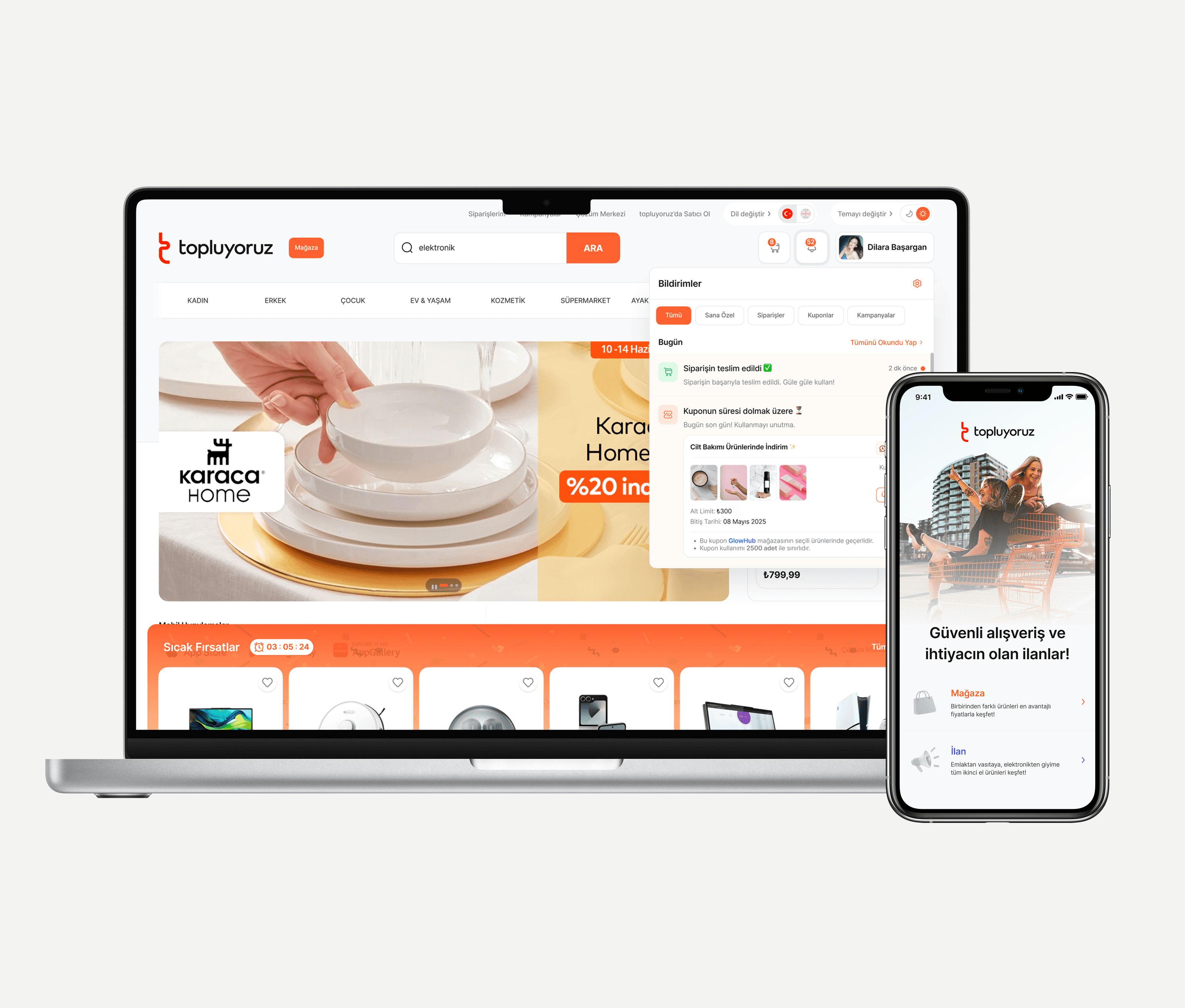
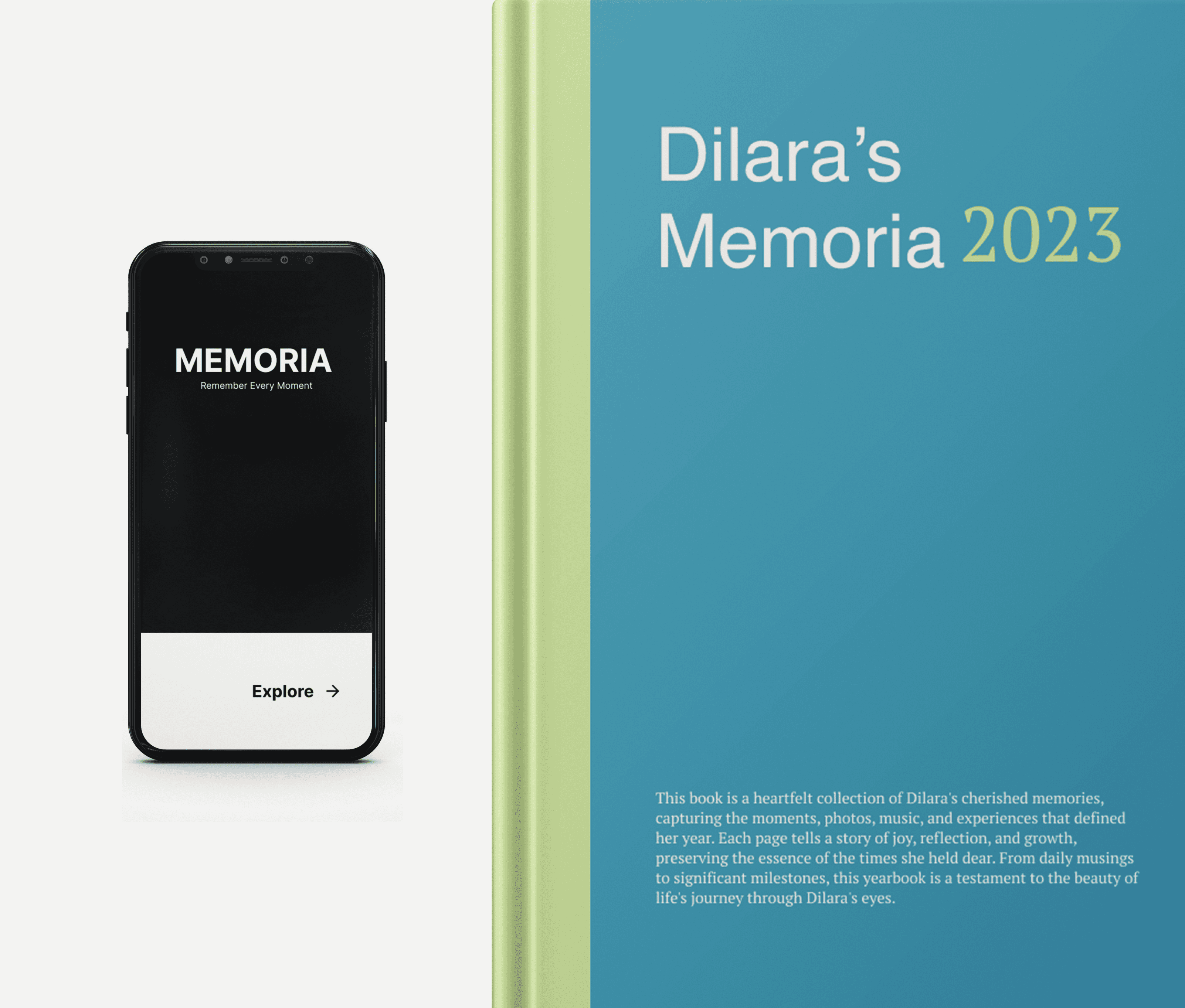
My process blends user insights, structured problem framing, iterative exploration, and refined interface design. I aim to create solutions that balance usability, aesthetics, and product impact.
Clarity
I focus on clarity by reducing cognitive load and helping users make decisions with confidence, not effort.
I design interfaces that prioritize mental ease.
Instead of presenting everything at once, I carefully structure information, define visual hierarchy, and limit choices when needed.
My goal is not to oversimplify products, but to make complexity feel manageable through clear layouts, predictable patterns, and intentional pacing.
Design Decisions
I reduce cognitive load by breaking tasks into smaller, logical steps
I use hierarchy and spacing to signal what matters most
I avoid unnecessary choices and default to smart, user-friendly options
I design flows that feel guided, not overwhelming
Systems
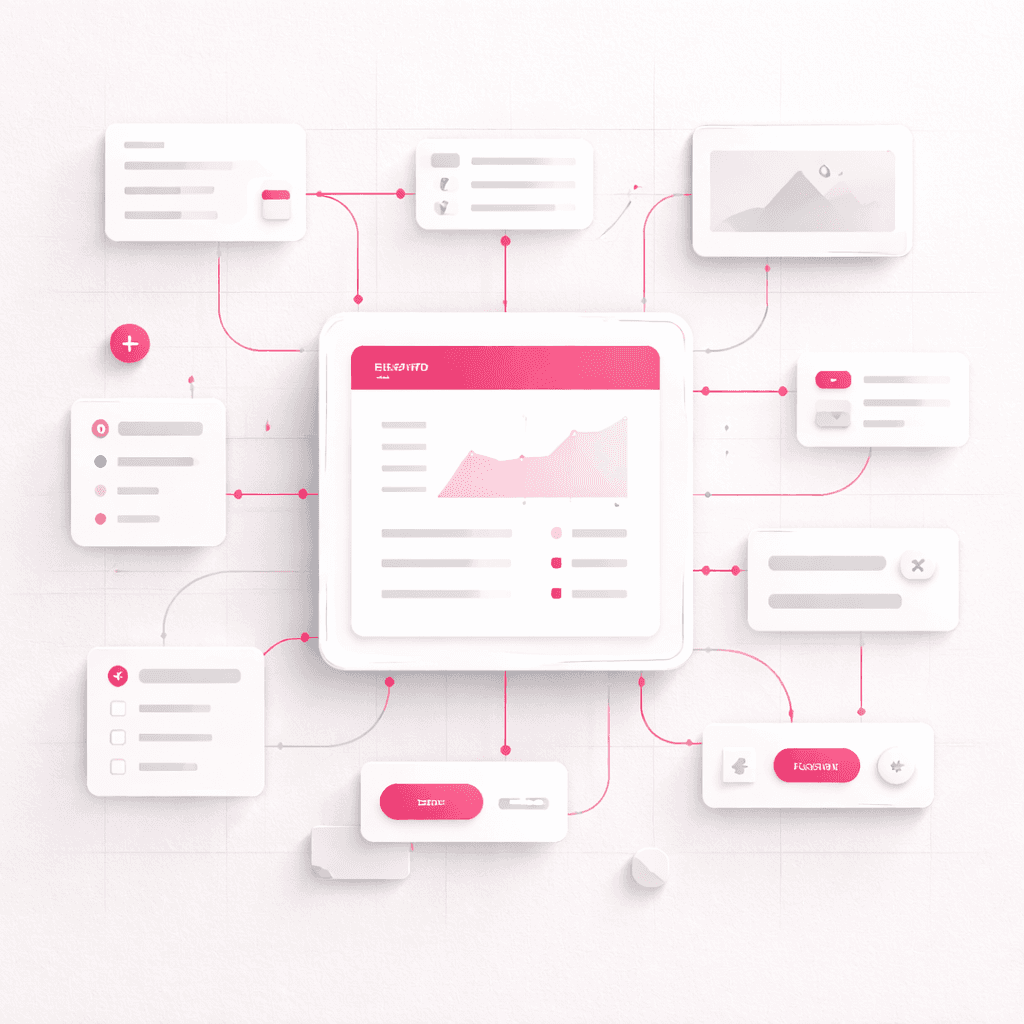
I think in systems to create consistent, scalable, and predictable experiences across products.
I design not just screens, but the rules that keep them working together.
I approach design as a system rather than isolated screens.
This helps products grow without losing clarity or consistency.
Instead of reinventing solutions, I define patterns, components, and behaviors that can adapt to different contexts while staying familiar to users.
I focus on creating reusable structures that support both designers and developers, making collaboration smoother and decisions faster.
Design Decisions
I build reusable components instead of one-off UI solutions
I define clear rules for spacing, hierarchy, and states
I think in patterns, not pages
I design systems that scale with product complexity
I align visual decisions with developer-friendly logic
Human
I think in systems to create consistent, scalable, and predictable experiences across products.
I design not just screens, but the rules that keep them working together.
I design with an understanding that users don’t interact with products in isolation — they bring emotions, expectations, and limitations with them.
I pay attention to how people feel before, during, and after an interaction, and design experiences that feel respectful, reassuring, and human.
Rather than forcing users to adapt to systems, I aim to shape systems that adapt to real human behavior — including uncertainty, hesitation, and imperfection.

Design Decisions
I design for emotional states, not just tasks
I treat errors as part of the experience, not failures
I use language and feedback to reduce anxiety
I respect existing user habits and mental models
Constraints
I don’t design in ideal conditions. I design within constraints — time, technology, data, and business needs — and treat them as inputs, not obstacles.
Time & Scope
Limited timelines push me to prioritize what truly matters.
I focus on core flows first, then iterate — instead of over-designing too early.
Technical Constraints
I design with development realities in mind, shaping solutions that are feasible, scalable, and respectful of system limits.
Data & Uncertainty
When data is incomplete or unclear, I design flexible structures that can evolve as insights grow.
Business & Product Goals
I balance user needs with business priorities, making trade-offs that support both long-term usability and product value.
Iteration
I see design as a continuous conversation, not a one-time decision.
Iteration is how ideas become products — through testing, learning, and refinement.
Early & Lightweight
I start with low-fidelity explorations to test assumptions quickly, before committing to detailed solutions.Technical Constraints
Feedback-Driven
I actively seek feedback from users, developers, and stakeholders, using it to validate or challenge my decisions.
Edit, Don’t Accumulate
Iteration is not about adding more — it’s about removing what doesn’t serve the user or the goal.
Learning Over Perfection
Each iteration sharpens clarity, improves usability, and brings the product closer to real-world needs.
Decisions
Design is a series of decisions, often made under uncertainty.
I focus on making intentional trade-offs that serve both users and the product.
I approach design as a decision-making process rather than a purely visual exercise.
Each choice — what to show, what to hide, when to guide, when to step back — shapes how users experience a product.
Instead of aiming for “perfect” solutions, I prioritize clarity, feasibility, and long-term value.
My decisions balance user needs, business goals, and technical realities.